Plants · 5 min read
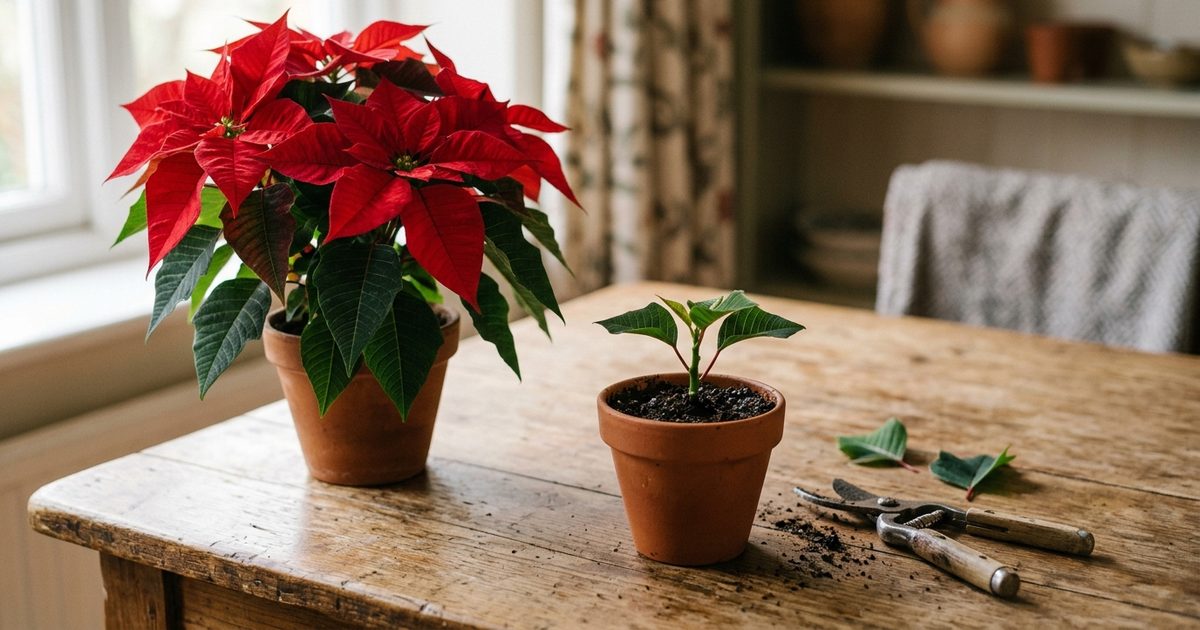
Poinsettia cuttings: why water doesn’t work
In water they rot, and the white latex they ooze when cut is to blame. In compost they do root, but timing matters more than technique: it isn’t December.
No complicated tutorials. Just the species that really hold up, and why they’re worth having around.
In water they rot, and the white latex they ooze when cut is to blame. In compost they do root, but timing matters more than technique: it isn’t December.
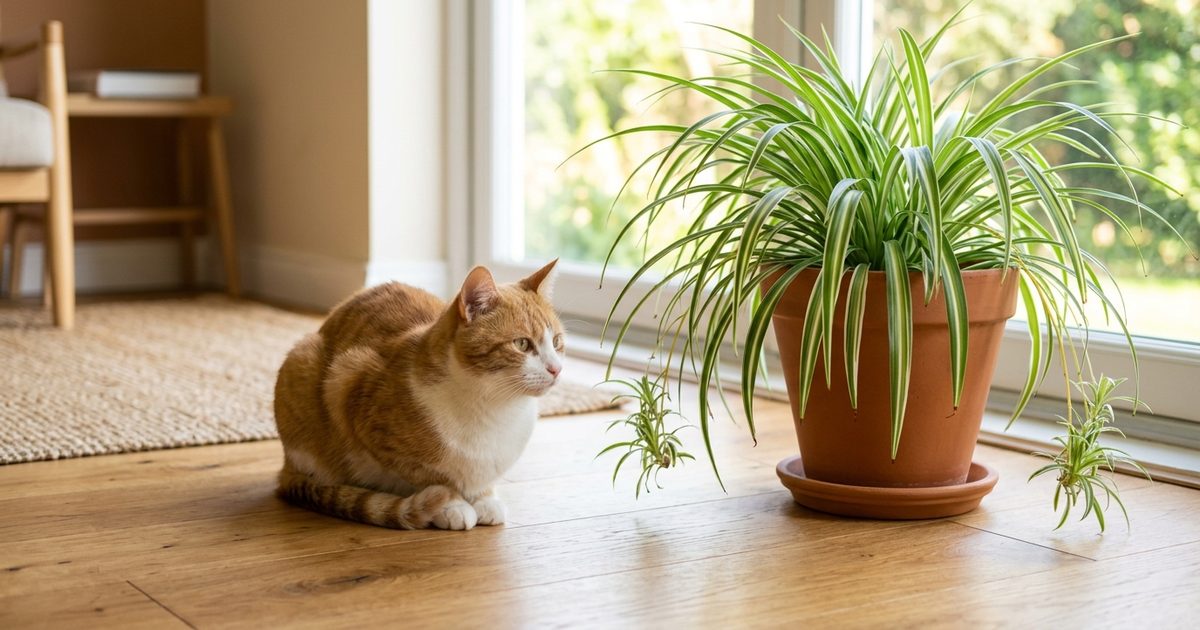
Most lists lump together a plant that gives your cat a sore mouth for a while and one that can kill it in two days. What’s an emergency and what’s just a rough time.
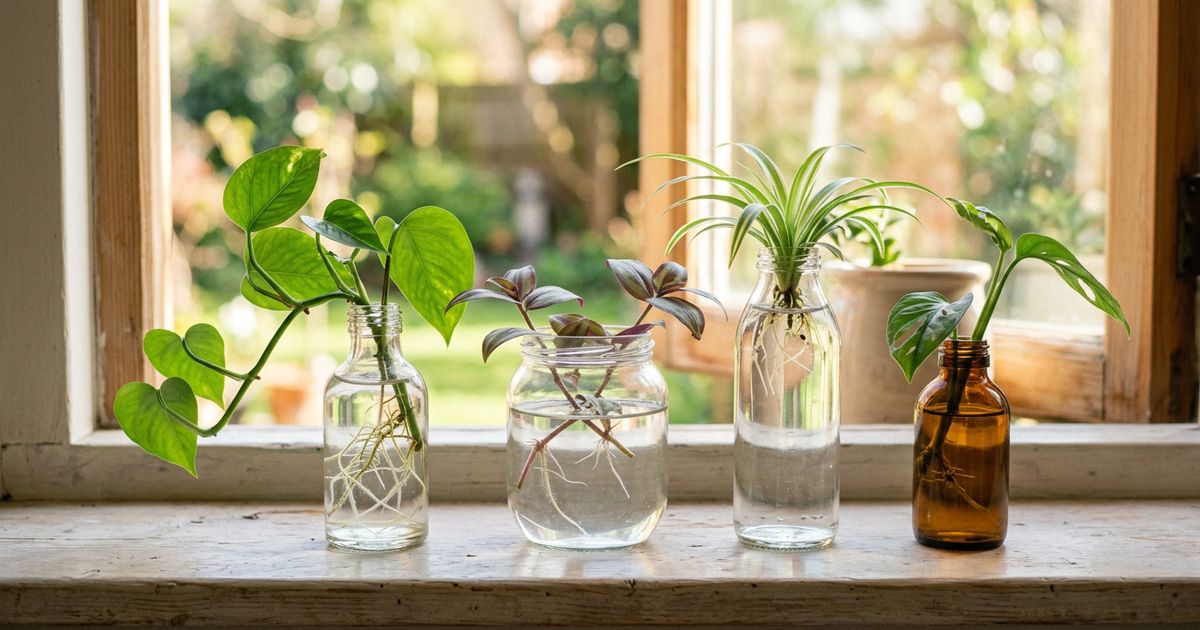
Propagating a plant sounds like advanced gardening, but lots of houseplants root on their own when you pop a stem in water. No compost, no hormones, no special skill: a glass, some light and a little patience.
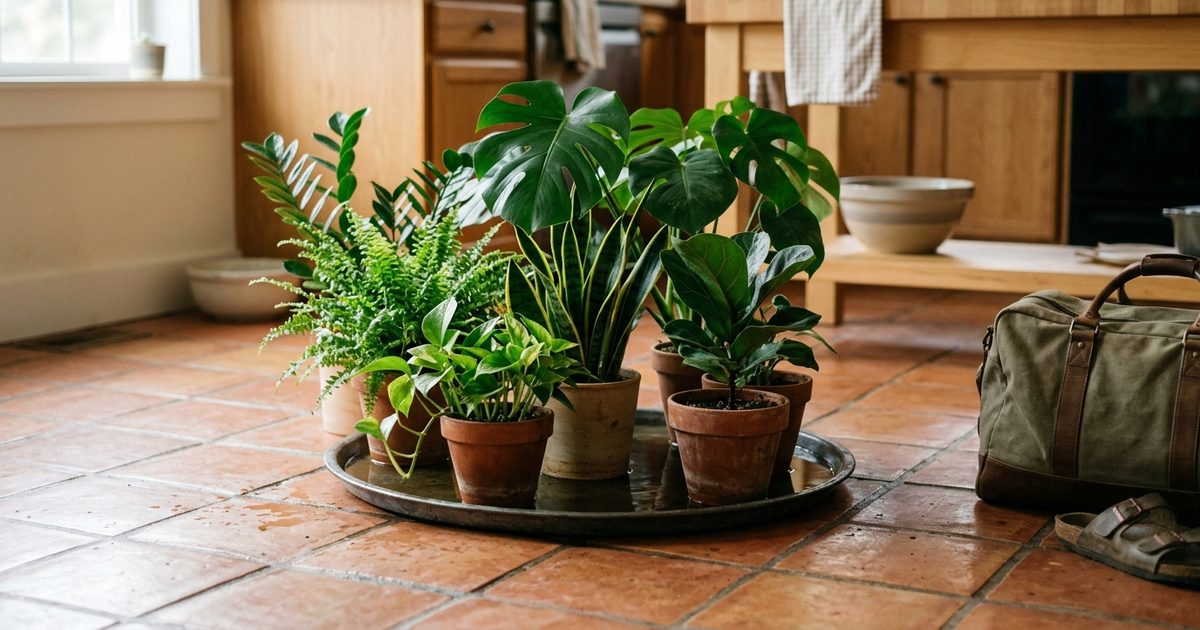
Before you go, the instinct is to water them to the brim. That’s exactly what not to do: too much water rots the roots faster than drought. The trick isn’t giving them more, it’s helping them lose less.

It isn’t magic, it’s transpiration: plants release water vapour through their leaves, and that draws heat from the air around them. One pot barely registers, but a group of plants together creates a cooler, more humid little microclimate.
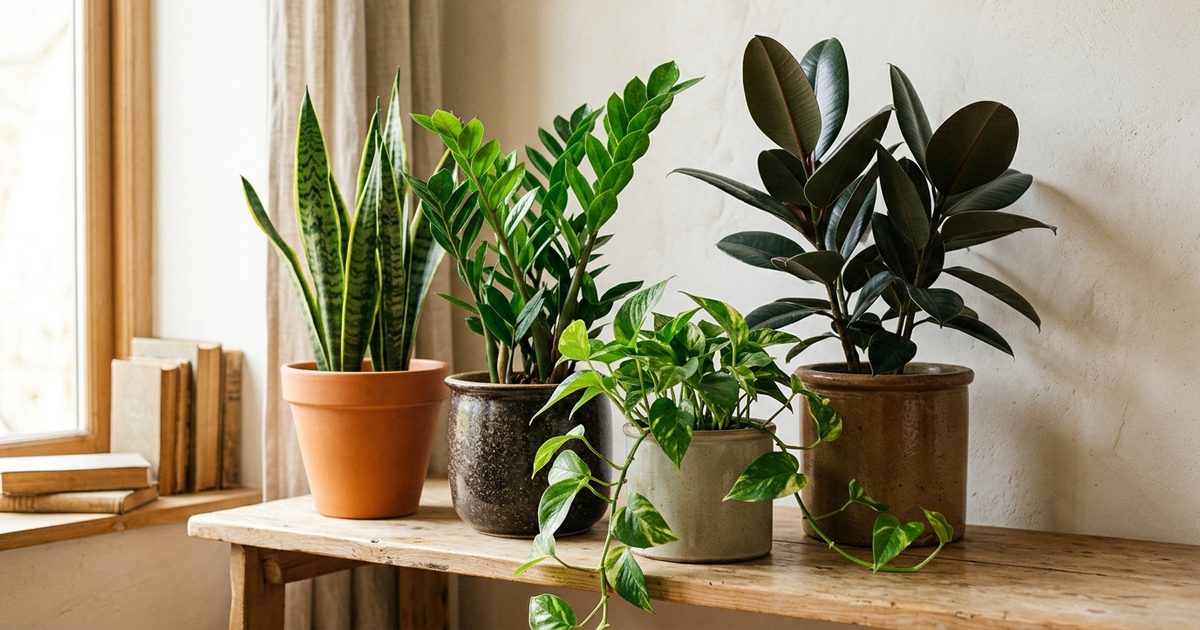
Twelve plants that cope with neglect, low light and erratic watering. How much water and light each one needs, in a table to check whenever you’re not sure.

Never had green fingers? Start here. Snake plant, pothos and aloe vera are the trio most often recommended for beginners: they cope with neglect, low light and erratic watering better than almost anything else.

The NASA study is real, but it was done in sealed chambers. A later review worked out that a home would need hundreds of plants per square metre to notice any difference. What actually clears the air, and why plants are still worth having.

Aloe vera needs direct or very bright light to grow well, and warmth: between 18°C and 25°C, and nothing below 10°C.

One of the most rewarding plants there is: it grows fast, forgives a fair bit of neglect and, in time, produces little babies you can pot up and give away.

The number one killer of houseplants isn’t neglect, it’s too much love: overwatering. And you carry a free moisture meter everywhere: your finger. Push it two centimetres into the soil. Damp? Don’t water. Dry? Water.

One of the few houseplants that loves exactly what a bathroom offers: high humidity, soft light and a steady temperature. And it tells you clearly when it needs water.

Parsley, basil, mint or chives on the kitchen windowsill are the perfect way into plants: they grow fast, you notice when you use them and they combine two good habits in one.
Transparency: our recommendations are independent and, for now, there are no affiliate links or commissions.