How long does it really take to form a habit? (Hint: not 21 days)
The 21 days didn’t come from any study. What was actually measured ranges from 18 to 254 days, and comes with good news: skipping a day doesn’t ruin it.
No impossible rules, no 10-step routines. Just what behavioural science says actually works.
The 21 days didn’t come from any study. What was actually measured ranges from 18 to 254 days, and comes with good news: skipping a day doesn’t ruin it.
Nothing: don’t catch up, don’t make up for it, don’t wait for Monday. One day doesn’t shift a three-month average — what does is what you do the next day.
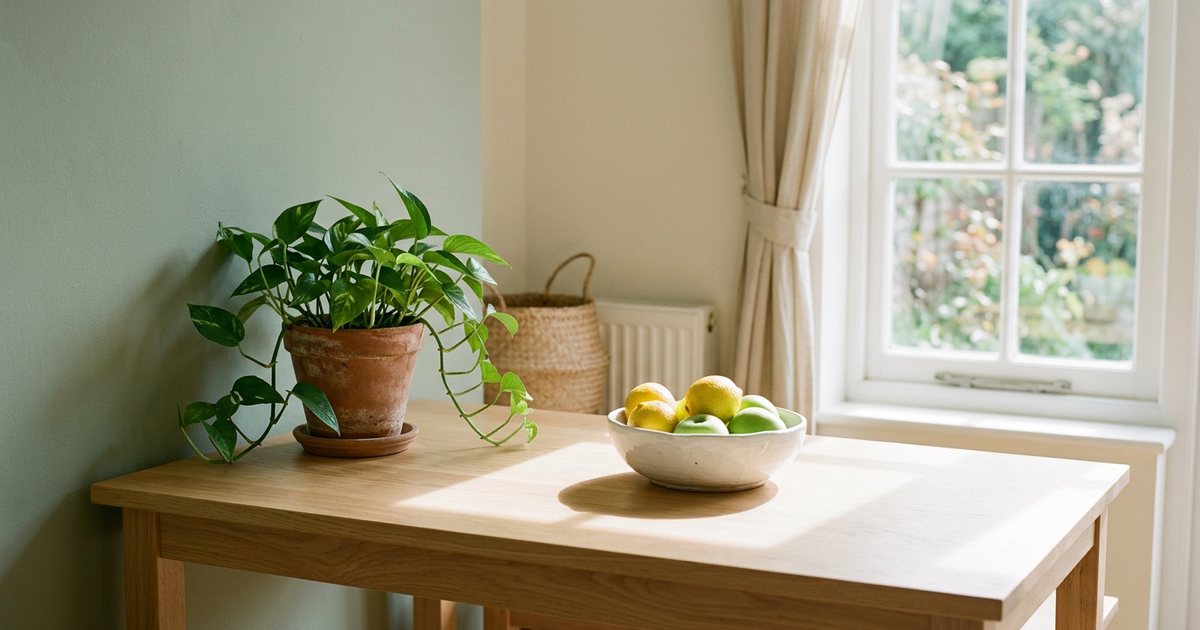
Tidying the whole house is overwhelming, which is why you never start. There’s a shortcut: pick a single surface — the kitchen table, the worktop, the bedside table — and keep it clear. Just one.
For years, wellbeing looked a lot like a job: 5 a.m. routines, ice-cold showers, apps reminding you that you’ve failed again today. Soft wellness is the opposite: small, kind, sustainable habits that fit into the life you already have.
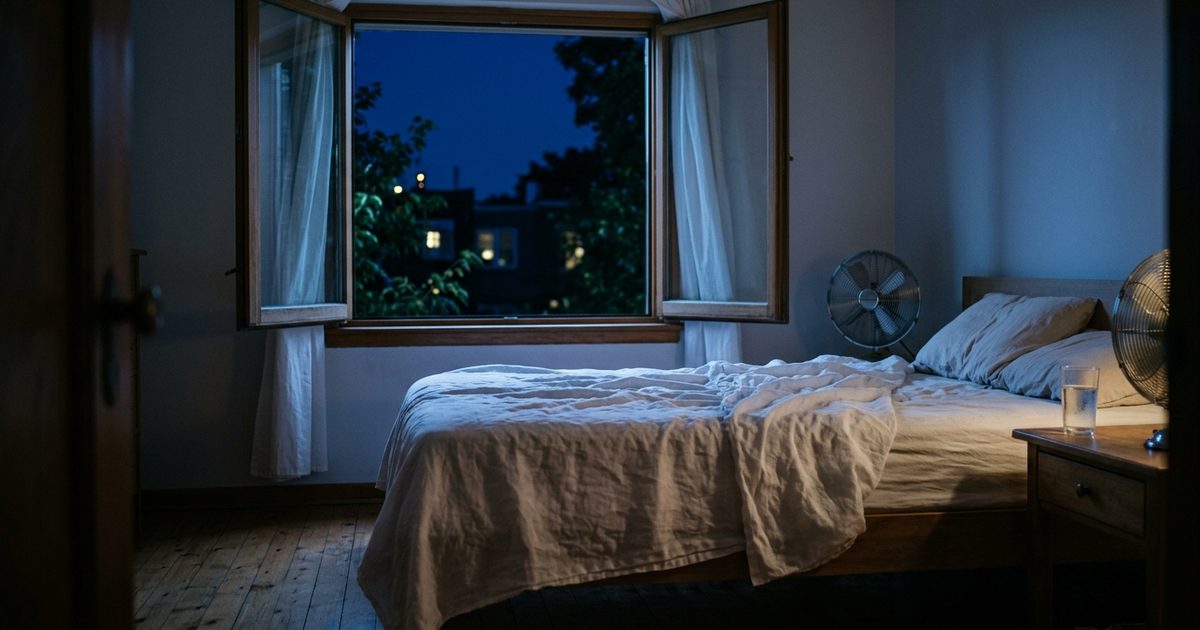
To fall asleep, your body needs to cool down a little. When the bedroom stays in the twenties all night, that drop never quite comes and you lie there tossing and turning. It isn’t that you’re bad at summer: it’s physiology.
Against a heatwave, the best trick isn’t to grit your teeth: it’s to get organised. Air the house overnight and at dawn, then close the windows and blinds by mid-morning — the house becomes a cave and can stay several degrees cooler than outside.
The most solid wellbeing trend of recent years isn’t radical change, it’s micro-habits: tiny actions, under two minutes long, repeated for frequency rather than intensity.
One of the most effective strategies is habit stacking: take something you already do every day without thinking (brushing your teeth, waiting for the coffee) and ‘attach’ the new habit straight after it.
Real self-care isn’t ‘doing more’. It’s choosing three specific micro-actions and keeping them up over time, instead of trying to transform your whole life in one go.
Switching off screens at night is one of the habits with the most immediate effect on rest. The idea isn’t to demonise your phone, but to swap the last half hour of screen time for a small, repeated routine.
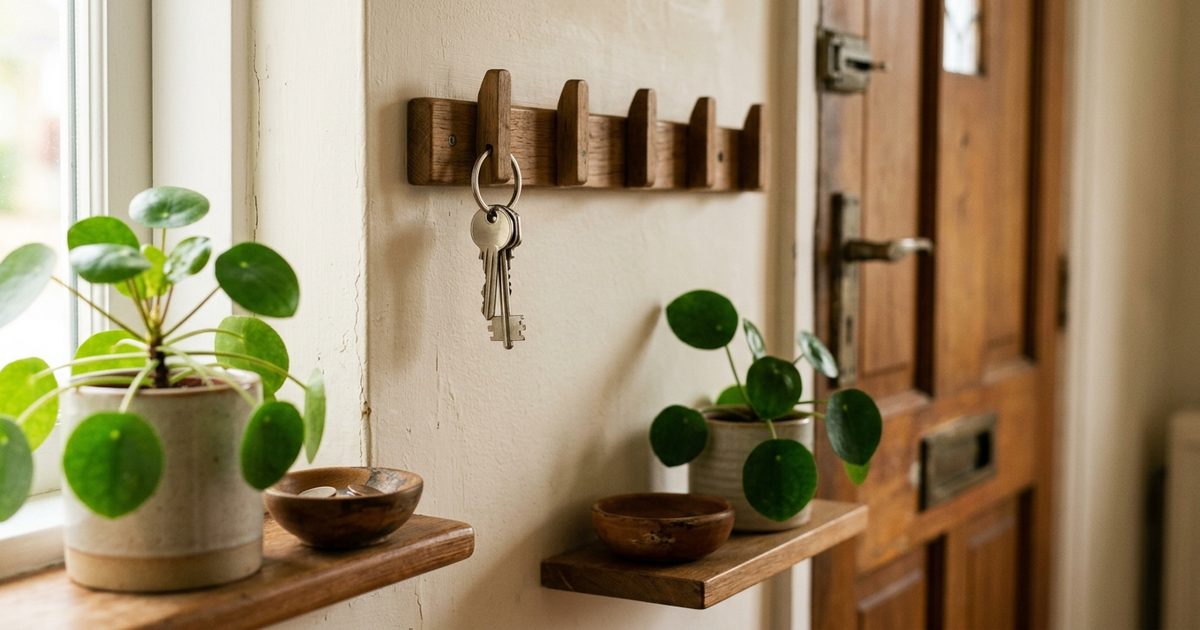
Hang up your coat, wash your mug, answer that message you’ve been putting off. Anything that takes under two minutes gets done there and then. A classic productivity rule that works just as well for wellbeing.
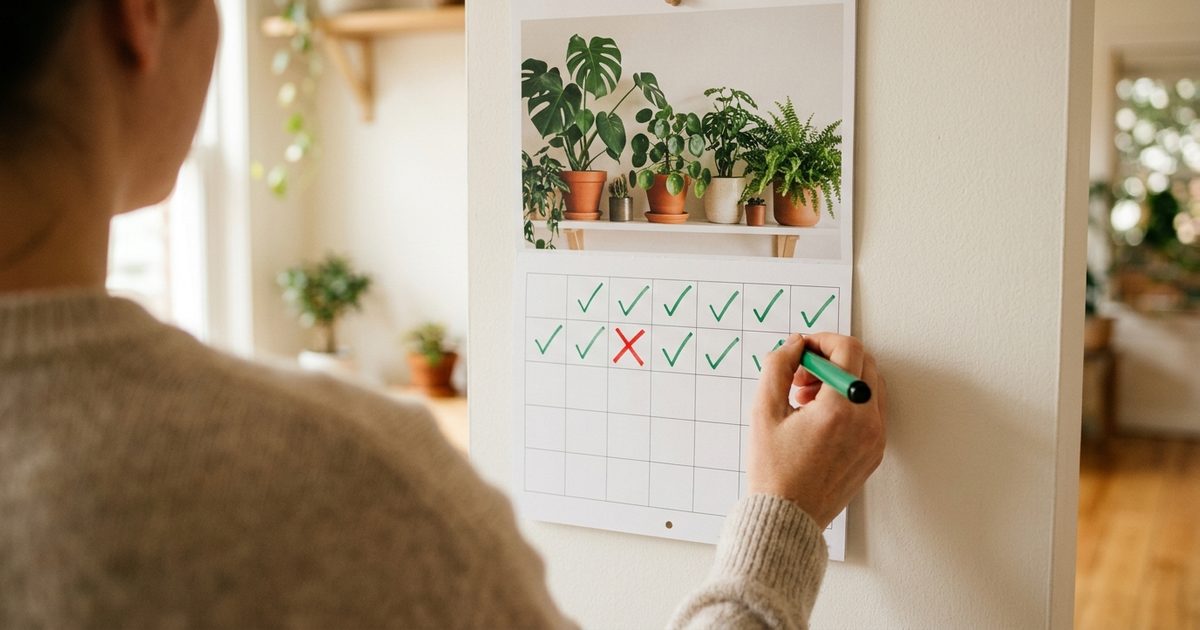
A calendar on the fridge and a marker pen. Every day you do your micro-habit, you mark a cross. After a week you’ve got a chain of crosses — and your brain really doesn’t like breaking chains.
No need to get up at five or meditate for an hour. Just wake up 10 minutes earlier and use them for yourself: a glass of water, open the window, stretch while the coffee brews. No phone until you’re done.
Transparency: our recommendations are independent and, for now, there are no affiliate links or commissions.