How to find free walking routes in Spain
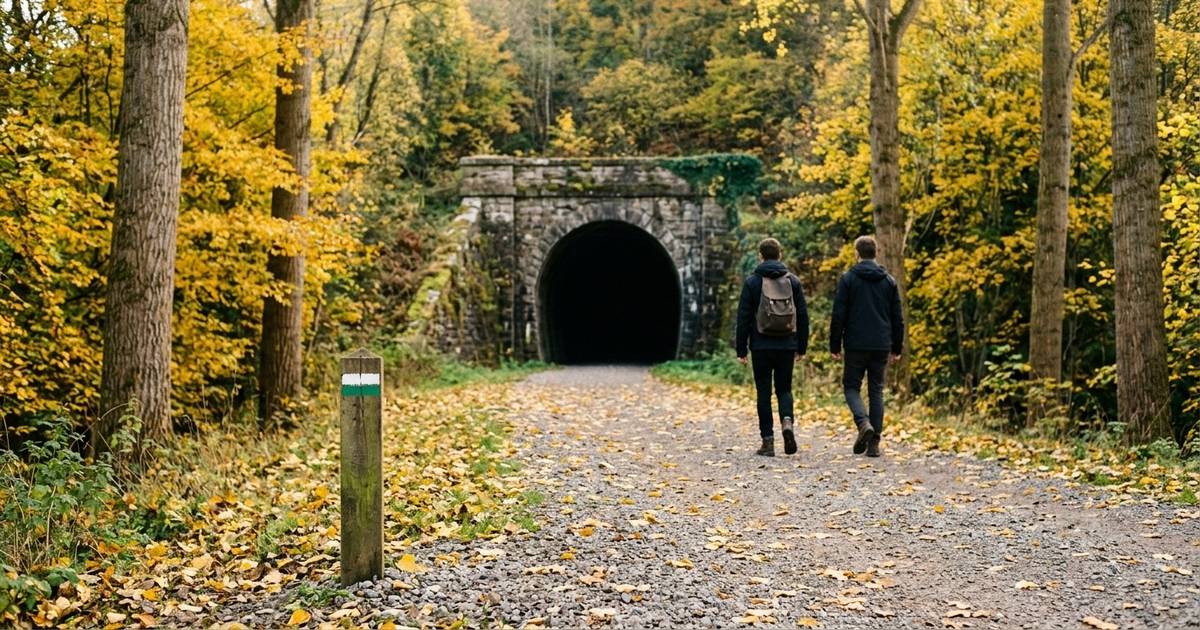
Greenways on old railway lines, waymarked trails and free official maps: where to find a walk in Spain, how to read the trail marks and what to check before you set off in autumn.
No compulsory gym, no exhausting itineraries. Just moving more and discovering more, at your own pace.
Greenways on old railway lines, waymarked trails and free official maps: where to find a walk in Spain, how to read the trail marks and what to check before you set off in autumn.
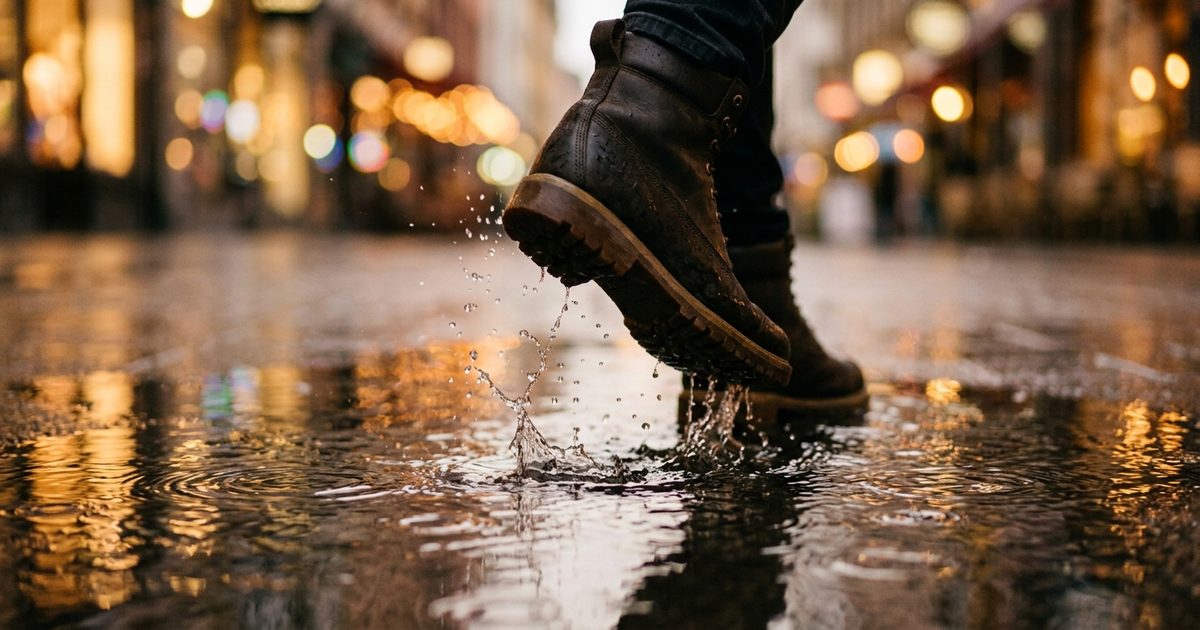
Rainy days are the ones that break the walking habit, because rain is the excuse nobody argues with. Three ways round it that work — and sometimes, staying in.
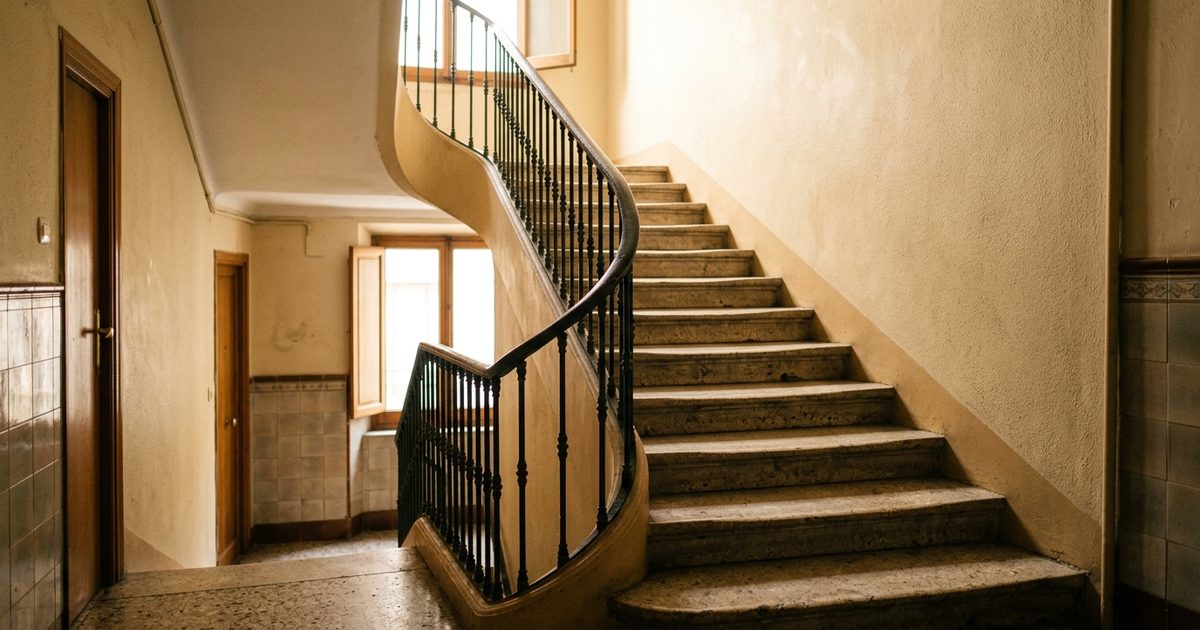
The one piece of ‘move more’ advice that asks for no time: you were going to that front door anyway. All that changes is which button you don’t press.
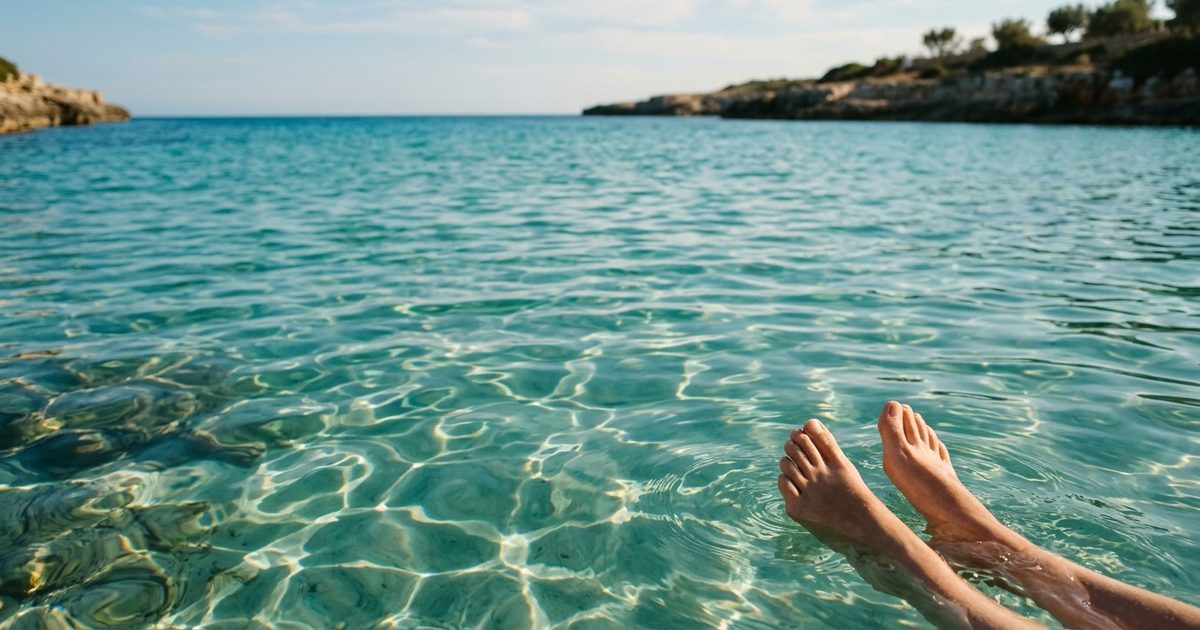
As soon as the heat kicks in, the water calls. And the good news is you don’t need to swim lengths or count laps: getting in the water — the sea, a pool, a river — is one of the simplest pleasures left, and it asks nothing in return.
No gym, no special kit. A 10-minute walk after each main meal helps digestion, helps lift your mood, and is one of the easiest movement habits to keep because it needs no planning.
Not every trip has to be a two-week expedition on a huge budget. Weekend getaways close to home give you almost the same mental break as a long trip, with far less planning.
If your goal is to ‘exercise more’, start with a ridiculously small version: two press-ups, a minute of stretching, a walk round the block. Your brain doesn’t see it as a threat, so you’re far more likely to do it again tomorrow.
One of the big fitness trends right now is measuring progress not only by how you train but by how you recover. Active recovery means gentle activity on rest days — walking, stretching, easy movement.
Exercise for mental health is one of the fastest-growing trends worldwide. The reason is simple: regular movement has measurable effects on mood, anxiety and stress — and you don’t need a marathon to notice them.
Spending time in natural settings — a park, a wood, the seafront — is linked to less stress and better concentration. You don’t need to head for the hills: studies on contact with nature suggest short, frequent visits already make a difference.
No need to climb mountains or kit yourself out for an expedition. A two- or three-hour circular walk close to home, without big climbs, gives you the best of both worlds: gentle movement and real contact with nature.
For a two- or three-day getaway, a small, well-packed rucksack is more freedom than a big suitcase: no checked bags, no dragging wheels over cobbles, no choosing between four options of everything each morning.
The 10,000-step figure came from a 1960s Japanese marketing campaign, not from science. Recent studies suggest the important benefits start much earlier — at around 7,000 steps — and that the biggest leap is going from ‘almost nothing’ to ‘something every day’.
Transparency: our recommendations are independent and, for now, there are no affiliate links or commissions.